Heart Love Embroidery Design Review
A Designer’s First Look: Charm, Clarity, and Emotional Resonance
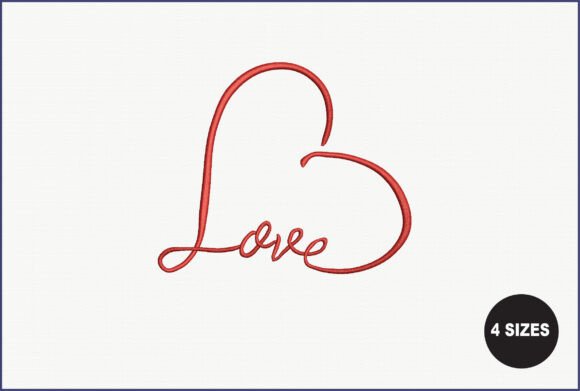
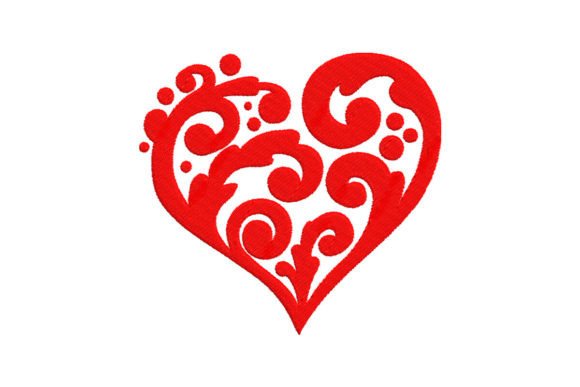
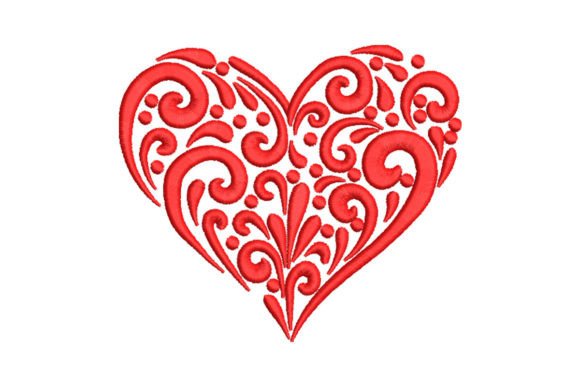
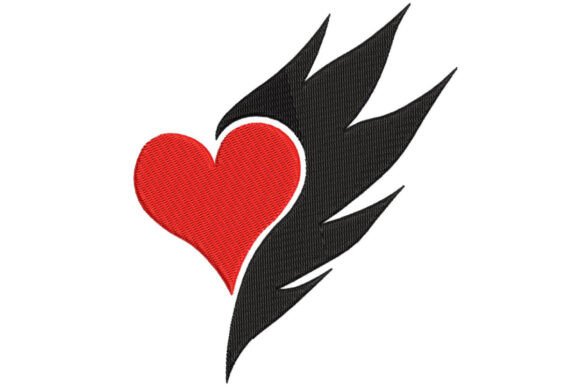
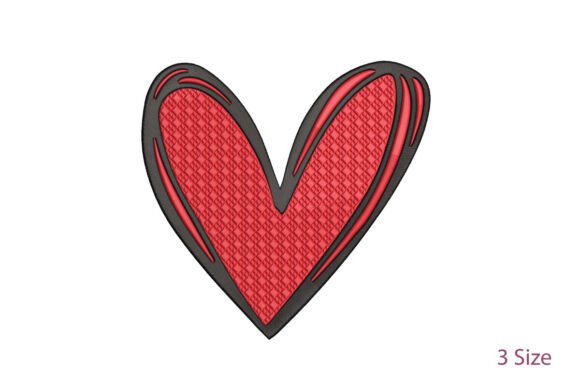
As an embroidery designer who’s tested hundreds of digital embroidery files for gift-focused small businesses, my first impression of the Heart Love Embroidery Design was immediate and warm—it lands somewhere between timeless romance and gentle modernity. It doesn’t shout “Valentine’s Day” with glitter or cursive excess; instead, it breathes quiet sincerity. The heart shape is softly rounded, with subtle inner contouring that suggests hand-drawn charm—not rigid vector perfection. There’s no excessive fill stitching or micro-detailing, which means it avoids looking fussy on delicate items like baby onesies or linen pillow covers. That balance makes it exceptionally versatile: equally at home on a wedding keepsake blanket as it is on a minimalist apron for a bridal shower gift.
Where This Design Truly Shines: Real-World Personalized Gift Uses
I tested the Heart Love Embroidery Design across seven product categories our shop regularly fulfills—and it performed beautifully in most. On 100% cotton kitchen towels? Crisp, balanced, and photo-ready. On organic cotton baby blankets? Softly dimensional without stiffness—especially when paired with low-loft tear-away stabilizer. As a wedding gift stitched onto a linen napkin set or a monogrammed pillow cover? Elegant, understated, and emotionally resonant. Even on curved surfaces like beauty cases and hairbrushes (using adhesive-backed stabilizer and careful hooping), it held clean lines without puckering.
For Etsy sellers and craft fair vendors, this design is a quiet workhorse. It pairs effortlessly with neutral thread colors—ecru on oatmeal linen, blush pink on ivory cotton, deep burgundy on charcoal canvas—making it easy to match seasonal palettes or brand aesthetics. Baby embroidery customers love its sweetness without saccharine overload; wedding gift buyers appreciate its non-cliché tenderness; and handmade product creators value how quickly it stitches without sacrificing perceived quality.
Smart Placement & Thoughtful Limitations
That said, thoughtful execution matters. The Heart Love Embroidery Design isn’t ideal for ultra-small applications where fine detail would vanish—think keychain tags under 1.5 inches or pocket mirrors with narrow stitching zones. On thick terry cloth towels, I recommend reducing stitch density slightly (if your software allows) and using cut-away stabilizer underneath to prevent shadowing. For stretchy baby clothes, always test on scrap knit fabric with ballpoint needle and lightweight topping stabilizer—the heart’s smooth curves handle give well, but dense satin edges can distort if unsupported.
Dark fabrics demand attention too: lighter thread colors (ivory, pale rose, soft gold) pop beautifully—but avoid off-white on navy unless you’ve confirmed contrast in your mockup. And while it works on t-shirts, avoid high-heat pressing directly over the design post-stitching; steam lightly instead to preserve thread sheen. Curved surfaces like beauty cases or brushed metal keychains require precise hooping and often a slow-stitch test run—I’d never skip that step before committing to a customer order.
Why It Elevates Your Small Shop Product Line
This isn’t just another machine embroidery design—it’s a trust-builder. Customers browsing your Etsy shop or local gift store instantly read “handmade care” when they see clean, confident stitching like this. The Heart Love Embroidery Design feels intentional, not generic. That perception lifts perceived value: a $28 embroidered tote bag becomes a $42 meaningful gift when stitched with this kind of emotional clarity. It also boosts buyer engagement—shoppers linger longer on listings with cohesive, heartfelt visuals, especially when paired with a printable mockup showing the design on multiple products (blanket, towel, pillow cover). For wedding gift designers or nursery decor makers, it offers consistency across collections without needing custom digitizing.
Practical Embroidery Notes Every Maker Should Follow
Before stitching your first customer-ready piece, take these five steps:
- Always test on scrap fabric—match weight, weave, and stretch of your final product.
- Check thread color contrast on both light and dark fabric swatches; natural lighting changes everything.
- Confirm hoop size compatibility—this design fits standard 4x4 and 5x7 hoops, but verify before loading.
- Review stitch density—if your machine flags high-density zones, consider slight underlay adjustment or stabilizer upgrade.
- Use proper stabilizer for fabric texture: tear-away for stable wovens, cut-away for knits, and adhesive + topping for slick or curved surfaces.
And one critical reminder: confirm commercial licensing terms before selling finished products. While the listing says “you can embroider it on clothes, t-shirts, pocket mirrors, keychains, hair brushes, beauty cases, blankets, and more,” always double-check whether your use case falls under personal, small-batch, or full commercial rights—especially if you’re an Etsy seller or wholesale partner.
Final Thoughts for Gift Makers & Digital Sellers
The Heart Love Embroidery Design isn’t flashy—but that’s its strength. In a market flooded with overdesigned, trend-chasing files, it offers authenticity, adaptability, and quiet emotional intelligence. It supports storytelling: the new parent stitching it onto a baby’s first blanket, the couple choosing it for their “his & hers” kitchen towels, the small shop owner building a Valentine S Day collection rooted in warmth rather than cliché. When used intentionally—with attention to fabric, stabilizer, thread, and presentation—it transforms ordinary items into personalized gifts that customers keep, display, and remember.
For embroidery makers, Etsy sellers, and handmade product creators: this is a reliable, emotionally grounded digital embroidery file worth adding to your core collection. Just remember—great embroidery starts not with the file alone, but with mindful testing, smart material choices, and respect for how each stitch contributes to the final feeling of the finished product.